A Long Trek to Quiet
Glampers find their escape in a pocket of luxury hidden in a forest
August 7, 2026 | story Sara Chufji | photos by Lily Hartzema and Madilyn Gemme
This story is from Atrium’s Spring 2026 magazine, which released April 2026.
The breeze in February is cool enough that the Floridian wilderness feels inviting instead of punishing. For the Broughtons, it’s worth traveling over 500 miles to reach.
At Black Prong, engulfed by the Goethe State Forest, the winter air feels pure and clean. The quiet announces itself slowly along curving trails that stretch into the forest, the shuffling of feet against gravel and the neighing of horses cutting through the stillness.
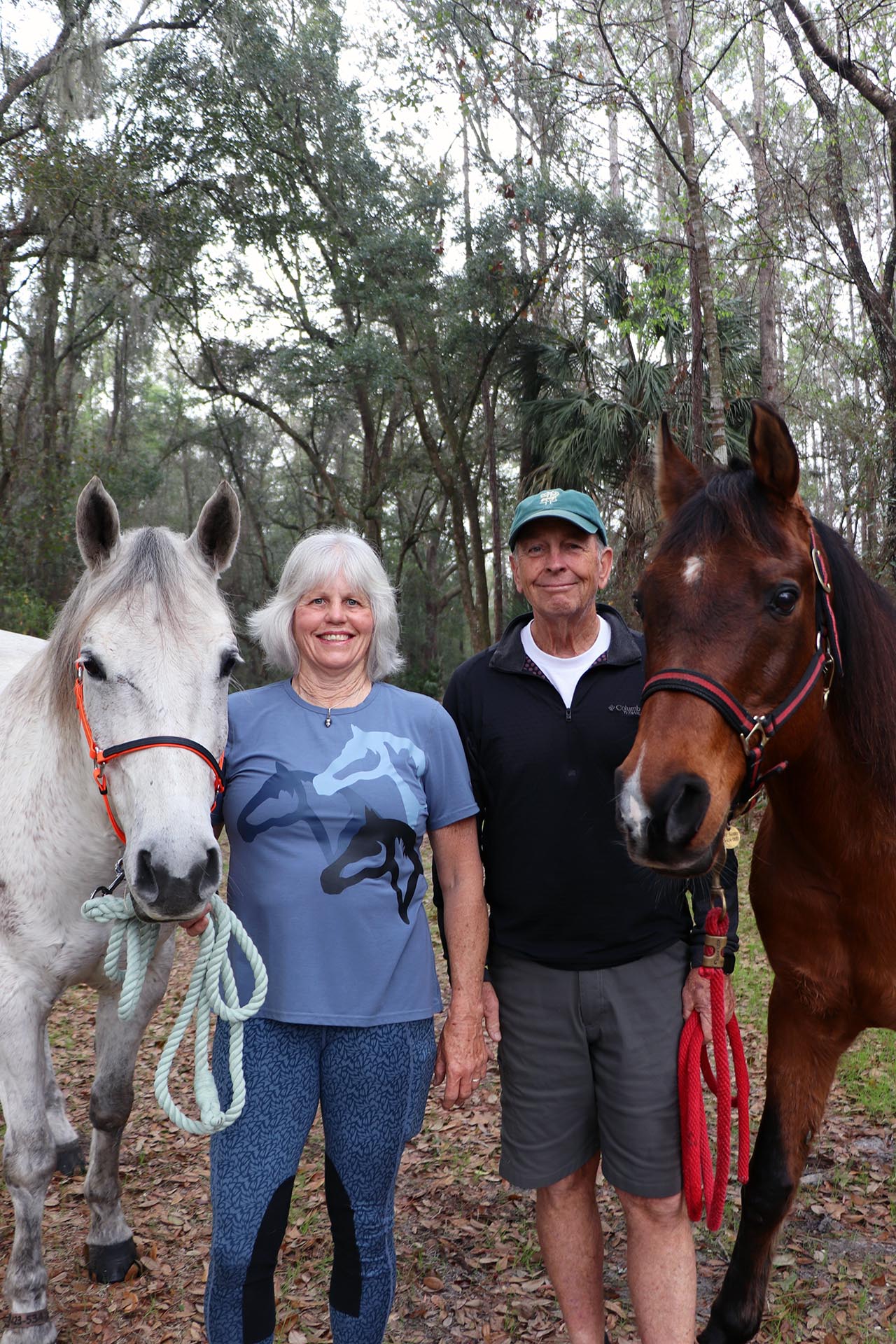
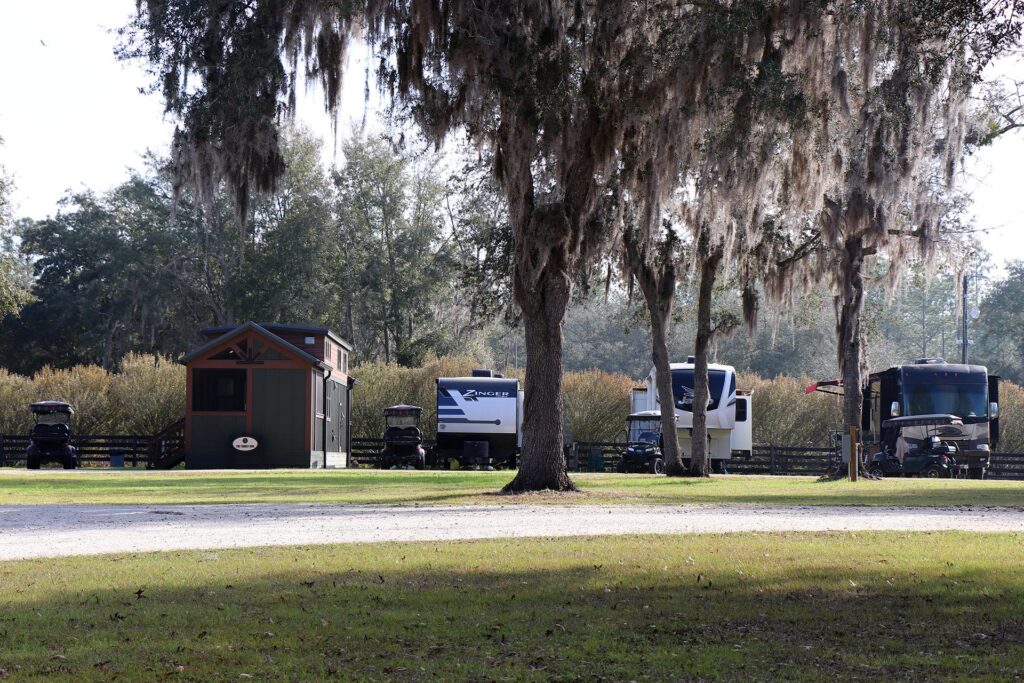
The entrance to Black Prong feels less like a campsite and more like a luxury retreat in the woods. The drive through Bronson is filled with long, arching trees and acres of land where cows roam freely. Upon arrival, visitors are immediately engulfed in greenery, with gravel trails stretching out in all directions. They ride their golf carts and horses toward their campsites, which consist of RV pads, cottages or cabins. Regina Broughton, 68, tends to her horses, two large Arabians –– one silver-grey and another caramel-brown. They loom over her with their defined muscles and huge eyes, but she caresses Remington “Remi” Steele as if he were a large dog. Her husband, Jeff, 72, feeds Lucky Sunday treats.
This is their third year making the voyage from Tennessee to Florida, lugging their trailer through a 10-hour trip. In Tennessee, February is cold, Regina says. But in Florida, February is riding weather.
The Broughtons embrace the Florida winter for the entire month of February, when they vacation at Black Prong, a luxury camping and horse riding site near Williston. There, they get to enjoy the cold season without sacrificing time outdoors. Glamping, or glamorous camping, promises nature without its rough edges: Sleep near the wind, but keep the comforts of air conditioning. In a post-pandemic Florida, state parks, springs and forests make that promise come true. There are more than 300 glamping sites that stretch along Florida’s natural wonders, from the Everglades to the springs.
Glamping offers comfort while changing how campers experience the outdoors. With amenities at an arm’s reach, even the indoorsy-types can experience Florida’s outdoors in a catered, comfortable way. For those who found their escape from pandemic-induced isolation in the luxurious outdoors, glamping has turned into a new and lasting tradition.
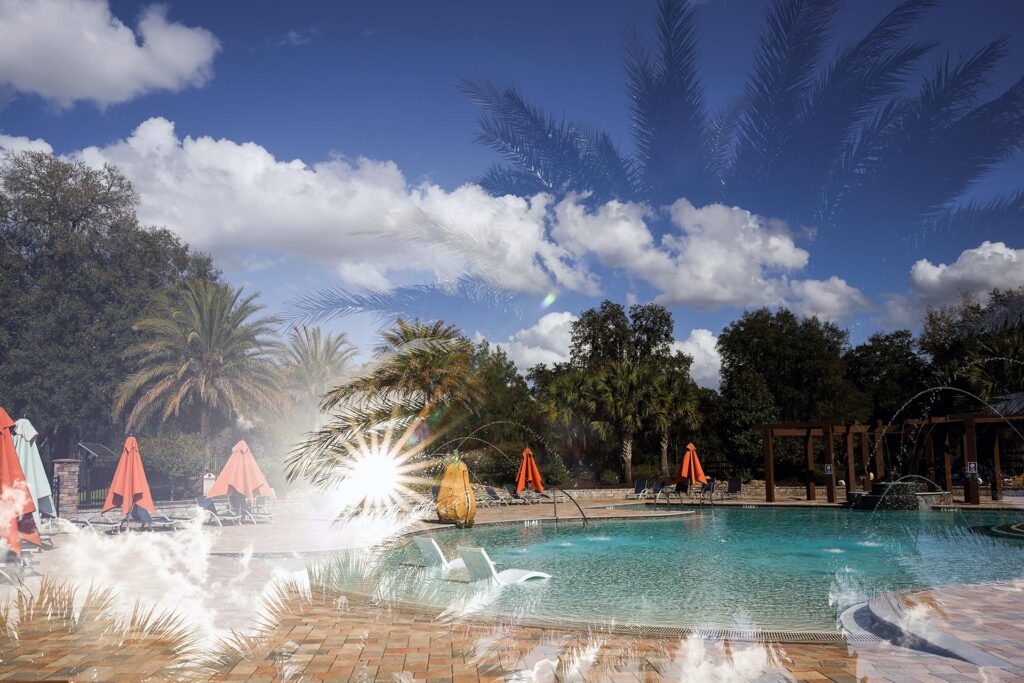
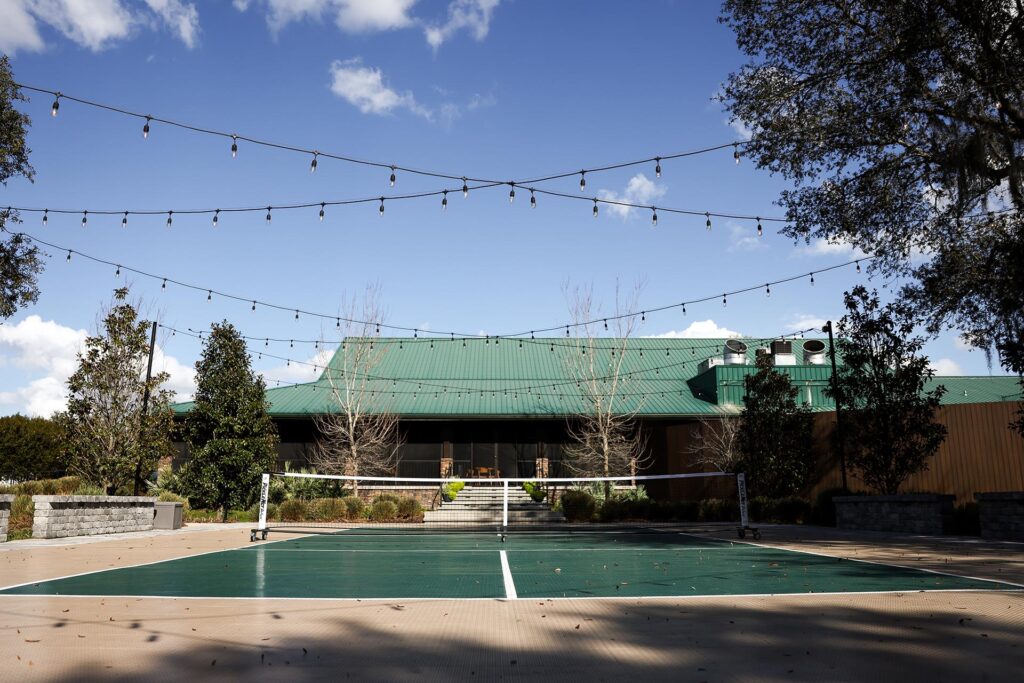
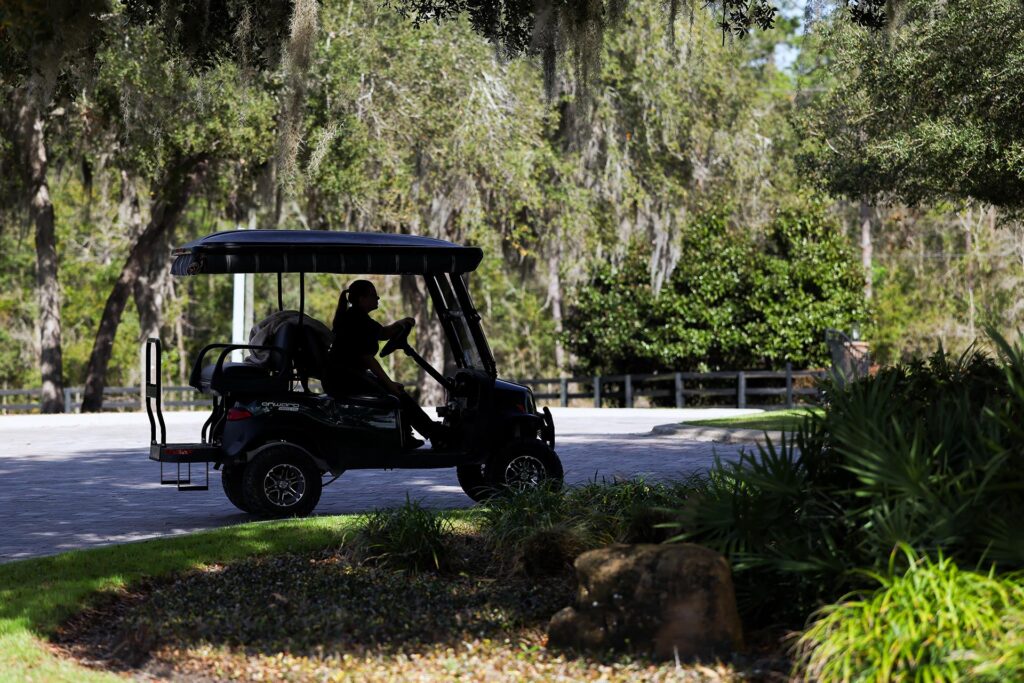
Black Prong sits on miles of forest trails through Goethe State Forest. Guests navigate the grounds in golf carts. They can enjoy a beach-entry pool, hot tub, a gym and pickleball courts. They can even have a delivery of a fire pit and s’mores.
The Broughtons are not there just for the amenities. They have camped the traditional way before — setting up in horse camps and hauling gear to sites where the days end as soon as the sun sets. Those trips worked when it was just about the riding, but not for month-long stays.
Glamping facilitates the camping experience — but at a price. A nightly stay at Black Prong can range from about $110 to $440, depending on the accommodation, with extra fees for amenities.
For the Broughtons, who have stayed in their fair share of horse camps around the country, Black Prong was the perfect balance between nature and comfort. They heard about it the way many horse riders do –– through other riders. Their first trip down showed them how easily they could spend a month outdoors.
The Broughtons are used to long-distance drives, having explored campsites from Virginia to Gator Country. They bring along their horses and their cat, Jiggy. The pair of Arabians is known for their endurance and their beauty. “They’re good travelers,” Regina says. “They sleep back there like kids in a car seat.”
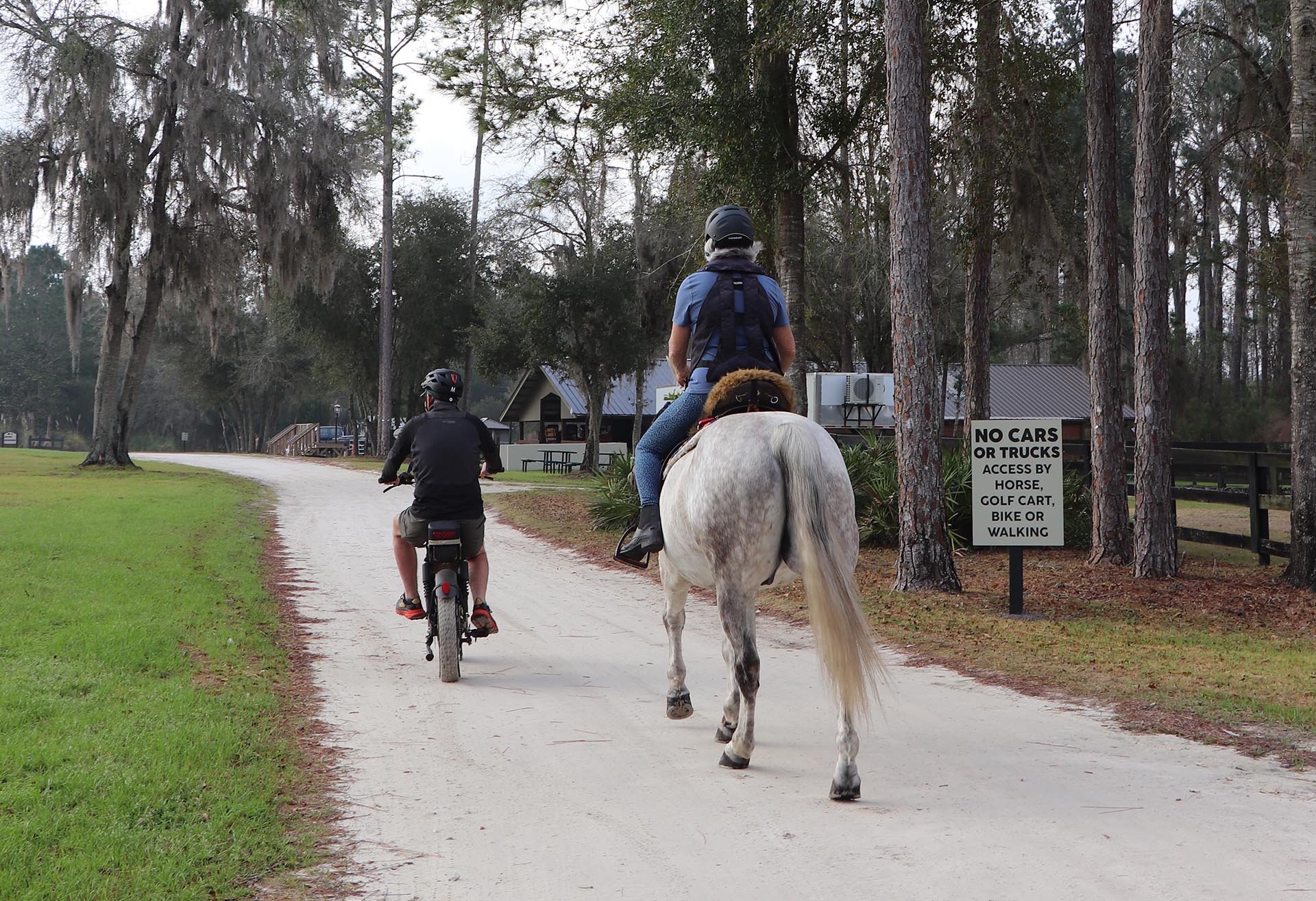
At Black Prong, the couple settles into a different rhythm. Regina rides five or six days a week, for as long as 10 miles a day. Most mornings, Regina is on the trail before the day fully warms. Remi moves steadily through the forest, his hooves striking the gravel in a slow rhythm. They have occasional run-ins with cyclists, turkeys and rattlesnakes. She enjoys how the trails stretch far in front and behind her as she goes. Jeff opts for different amenities — the spa, restaurant and the bar.
On mornings when Regina meets with friends to ride, Jeff trails beside her on his electric bike. She meets with friends also vacationing in nearby sites, some from back home in Jamestown and others she’s met during her month at Black Prong. Her new friend and cottage neighbor, Micki, is visiting from Michigan. Jeff will ride along on the gravel to return to the property, where he can enjoy the slow morning pace that a place like Black Prong provides.
Some afternoons, they venture off the property for lunch in Homosassa Springs. They sometimes treat themselves to carriage rides along the property. Together, they tend to Remi and Sunday in the stalls by their cottage, enjoying their time together away from the Tennessee winter.
Both the Broughtons are satisfied at Black Prong, the horse person and the not-horse person. It’s what they prefer instead of staying somewhere in Tennessee, Regina says.
Four years ago, Zoe Bowden’s days were filled with emails and appointments as an undergraduate adviser and communications specialist at the University of Florida. But with a degree in animal science with an equine specialization, she found her way to Black Prong, which was just beginning to shift from a traditional equestrian venue to a space for nature lovers. Her role at Black Prong grew along with the resort, which now offers itself to anyone who wants to feel “tucked into nature,” not just horse owners.
Some areas of the grounds are lined with high-end RV pads, while others look like a cottage with neighboring horse stalls. A glamping accommodation doesn’t matter to Zoe. What matters is the ease, the amenities and being outdoors without being intimidated by untamed nature.
“When people who aren’t from Florida think of the state, they often think of Miami, Disney, the beach,” she says. “But there’s a whole lot of Florida that is really, really beautiful … that people don’t necessarily think about.”
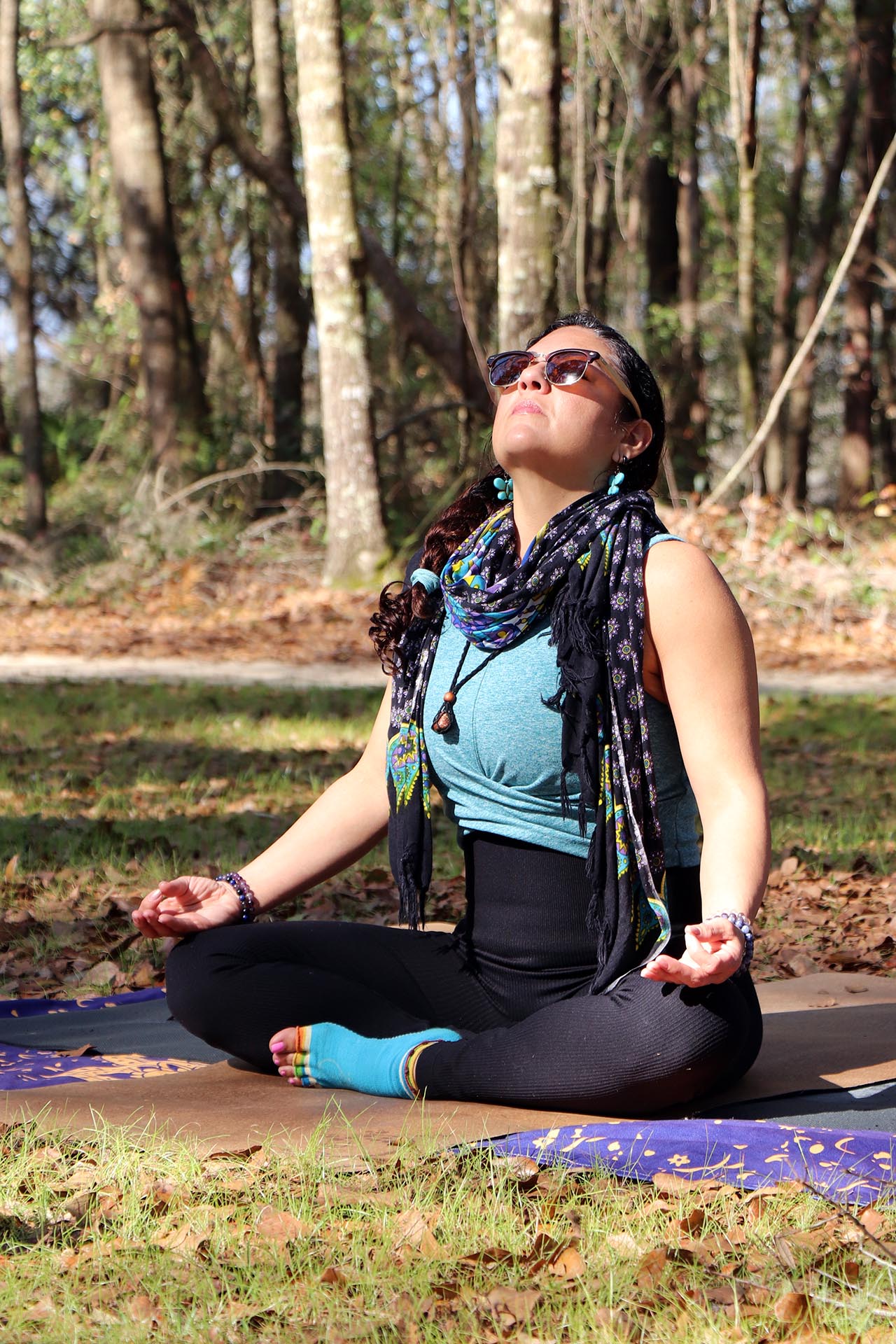
The desire to trade the constant noise of everyday life for something quieter only grew stronger during the pandemic, when being outside became safer than gathering indoors.
Christopher Craig, a professor at Murray State University and lifelong camper, researches glamping trends. He found the pandemic pushed many people toward outdoor travel for the first time. National surveys conducted by Kampground of America, a North American camping network, found that camping surged during lockdown.
“With the onset of the pandemic … you saw a great interest among a really diverse range of folks because we need to get outside and be away from people,” Craig says. A lot of people didn’t have their own equipment or hadn’t grown up camping, so glamping became an easy entry point. Even after the pandemic, interest in glamping has remained higher than before.
The journey to Black Prong isn’t always hundreds of miles. Kathy Vliet, 73, makes the drive from Alachua in about an hour. She visits on weekends with her group of friends and neighbors and their dogs, Oakley, Winston, Gillie and Tucker, drawn by the quiet and the space. For Vliet, a veterinarian who now works as a mobile vet across North Florida, the appeal is practical as much as aesthetic. “That’s the best part, it’s so dog-friendly,” she says.
But as glamping expands across Florida, not every development is met with the same excitement. Kathy mentions a proposed Margaritaville-themed glamping site planned for Orange Lake in Marion County — a project that has sparked pushback from conservation advocates.
“It’s highly controversial,” Kathy says. Although the plans for RV sites were approved, advocates worry about building a beach-themed resort on such a fragile natural area. The pushback reflects the larger question of how to make nature accessible without harming it.
The line between camping and glamping is becoming less distinct.
“[Camping and glamping] it’s kind of merging,” Craig says. People might still want to cook outside and spend time in nature, but they’re bringing nicer food, better gear or choosing places that offer a few more comforts.
Sarah Phinney, 35, a travel influencer and content creator based in Florida, understands that access is a point of interest to her viewers. During the pandemic, when traffic reporting went quiet as a result of lockdown, she left behind her decade-long work in broadcast news and transitioned to online content, covering parks and hidden corners of the state.
Phinney says places like Black Prong can help people appreciate Florida’s wild spaces — but they also raise questions about how tourism affects them. Sites built near forests and springs inevitably affect the space over time, something visitors are becoming more aware of.
“If people are not getting out of their bubble … they’re not going to see why it’s so important that we keep this land protected,” she says.
The sound of clacking horse hooves is a better sound to wake up to than traffic, Phinney says. She deems it a good reset.
Regina Broughton reaches toward Remi with a smile. “They’re very similar to dogs,” she says. Some horses, she explains, are the kind that always want to be near you — “always in your pocket.”
Even after a month at Black Prong, she isn’t bored. Between the long rides through the forest, spotting occasional wild hogs and quality time spent together, the days move at a pace she enjoys.
Beyond the cottages and through the trees, a golf cart hums back toward an RV pad, bringing glampers home after a day in the Goethe State Forest. The silence settles all around, the kind that invites someone to stay for a while.